What Is the Difference Between System Windows and Conventional Thermal‑Break Aluminum Windows? Is the Several‑Thousand‑Yuan Price Gap Worth It?

When selecting doors and windows for home renovation, you will frequently come across the terms “system windows” and “conventional thermal‑break aluminum windows”. There is a substantial price difference between the two, leaving many homeowners confused about where the gap lies and whether the extra expense is justified. Today, Zuo’er Doors & Windows clarifies their core distinctions to help you avoid unnecessary spending.
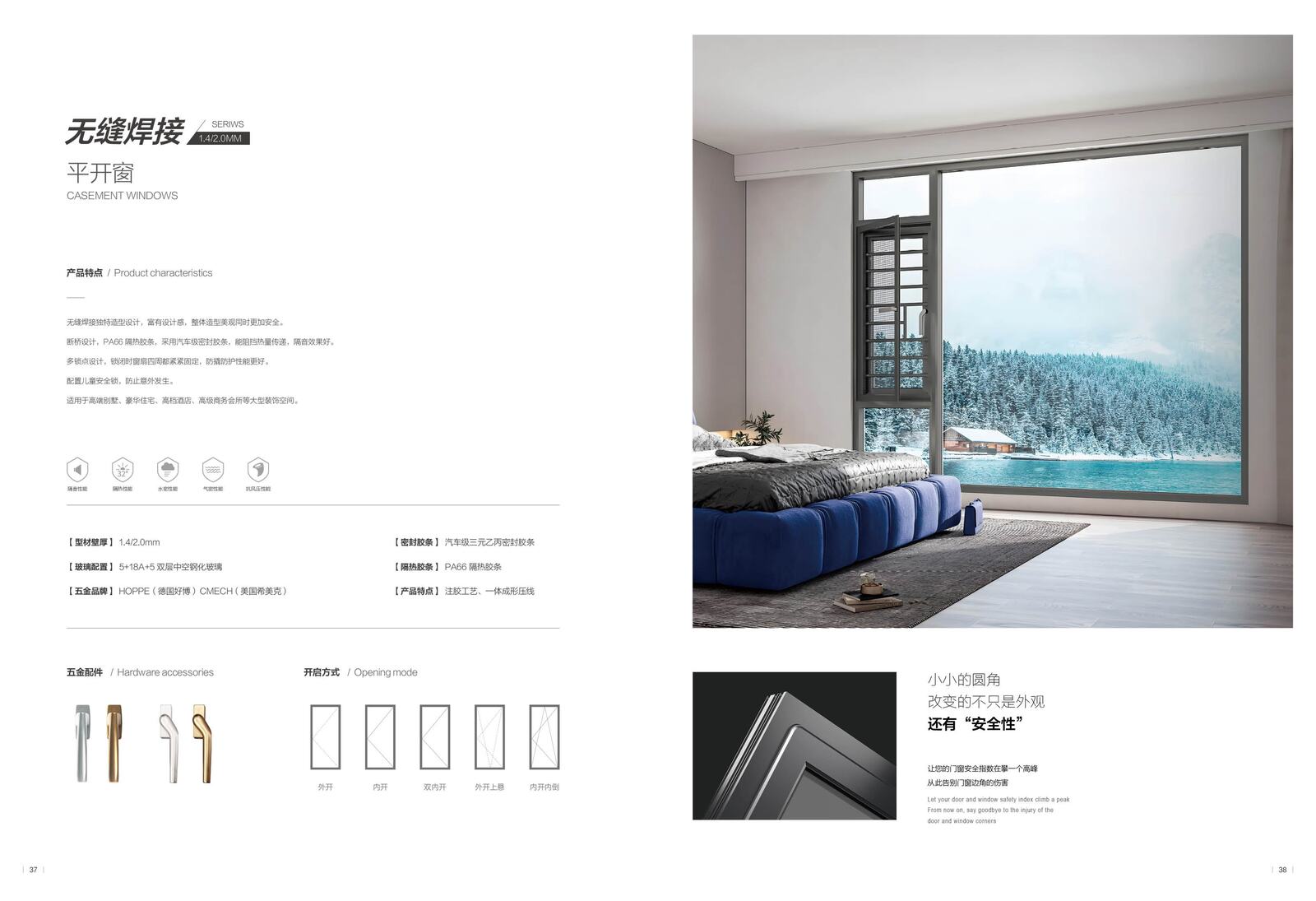
In short: conventional thermal‑break aluminum windows are merely an assembly of separate materials, whereas system windows represent a complete integrated solution.
Conventional thermal‑break aluminum windows are generally assembled on‑site by merchants using separately‑sourced profiles, glass and hardware accessories. Though classified as thermal‑break aluminum products, their individual components may not be well‑matched. Their air‑tightness, water‑tightness and wind‑load resistance largely depend on the installer’s workmanship.
By contrast, system windows adopt full‑set standardized specifications covering design, profiles, hardware, sealing gaskets, manufacturing techniques and installation from the manufacturer. Their overall performance has undergone rigorous testing, delivering superior stability.
In terms of performance, system windows outperform conventional thermal‑break aluminum windows across five key metrics: air‑tightness, water‑tightness, wind‑load resistance, thermal insulation and sound insulation. They feature optimised cavity structures, robust corner‑joining craftsmanship and multi‑layer sealing. They maintain stable performance under extreme conditions such as heavy rain, typhoons, high heat and freezing temperatures.
For hardware fittings, system windows normally adopt matched custom‑made hardware whose opening‑closing cycles, load‑bearing capacity and service life have been verified. Conventional thermal‑break aluminum windows may use generic hardware which costs less yet offers mediocre durability.
Regarding service life, system windows can serve for decades without deformation, fading or abnormal noise. By comparison, conventional thermal‑break aluminum windows built with inferior materials may suffer sash sagging, air leakage and poor closure after only a few years.
System windows are highly recommended for high‑rise apartments, private houses, villas and street‑side residences with high requirements for safety, sound insulation and water resistance, provided your budget allows.
For low‑rise old‑building renovation or temporary buildings with very limited budgets, conventional thermal‑break aluminum windows can satisfy basic functional needs.
When making purchases, do not rely solely on merchants’ verbal claims of “system windows”. Always check test reports, structural designs and craftsmanship details, so as to prevent paying the premium for system windows only to receive ordinary thermal‑break aluminum products.
NEXT:
No More
ADDRESS:No.88, Hengxing Road, Henggang Industrial Zone, Shishan Town, Nanhai District, Foshan City
Copyright © 2026 Foshan Zuo'er Door and Window Technology Co., Ltd. 粤ICP备2026056082号-1